
Step 1 · Curiosity
STEM Skill Development Partner
Engineering FoundationLevel 1Designed for Schools.
A structured school program that moves students from electronic fundamentals to hands-on circuit building, sensor integration, IoT embedded course exposure, and practical engineering thinking.
SchoolsEngineering OrientationIoT Embedded CourseElectronics + SensorsSchool-Ready DeliveryStructured OutcomesSchoolsEngineering OrientationIoT Embedded CourseElectronics + SensorsSchool-Ready DeliveryStructured Outcomes
Module focus
Engineering Orientation
Students learn to assemble and test practical circuits, connect basic programming to hardware, and reason through sensor-driven engineering models.
5
Outcomes
5
Stages
4
Deliverables
Built for school timetable constraints
Schools · Circuits · Sensors · Engineering BasicsStep 2 · Discovery
Real components. Real systems.
UltrasonicDHT11IRFlameRaindrop
Step 3 · Creation
Ideas become circuits.
Step 4 · Exploration
Discover what's inside.
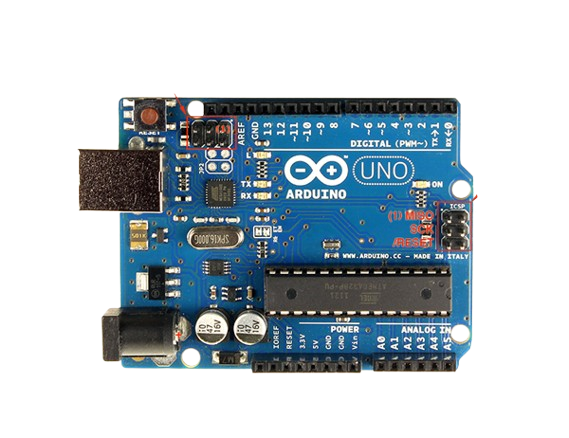
Arduino Uno
Part
Arduino Uno
Core controller for every logic path.
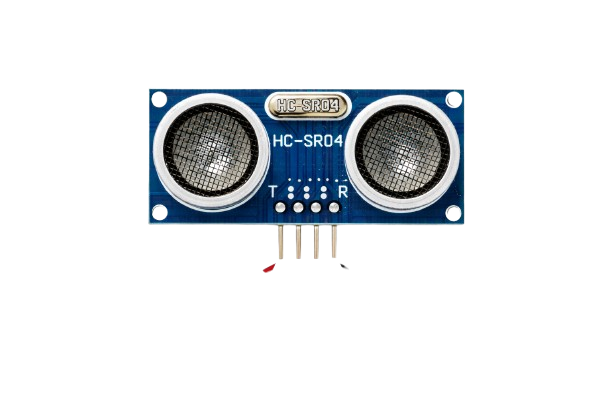
Ultrasonic Sensor
Part
Ultrasonic Sensor
Distance intelligence in real time.
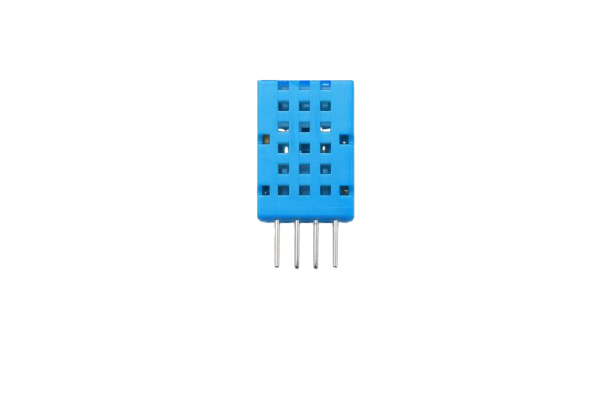
DHT11 Sensor
Part
DHT11 Sensor
Environment telemetry for systems.
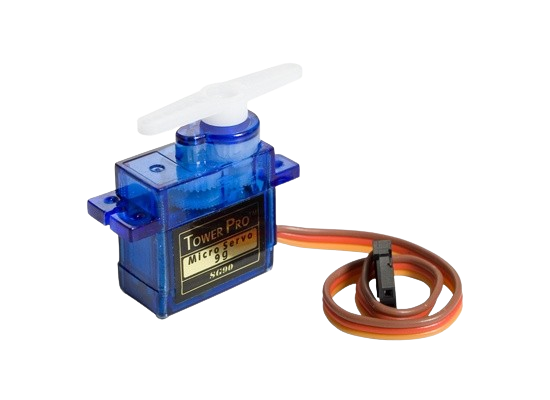
Servo Motor
Part
Servo Motor
Precise mechanical response output.
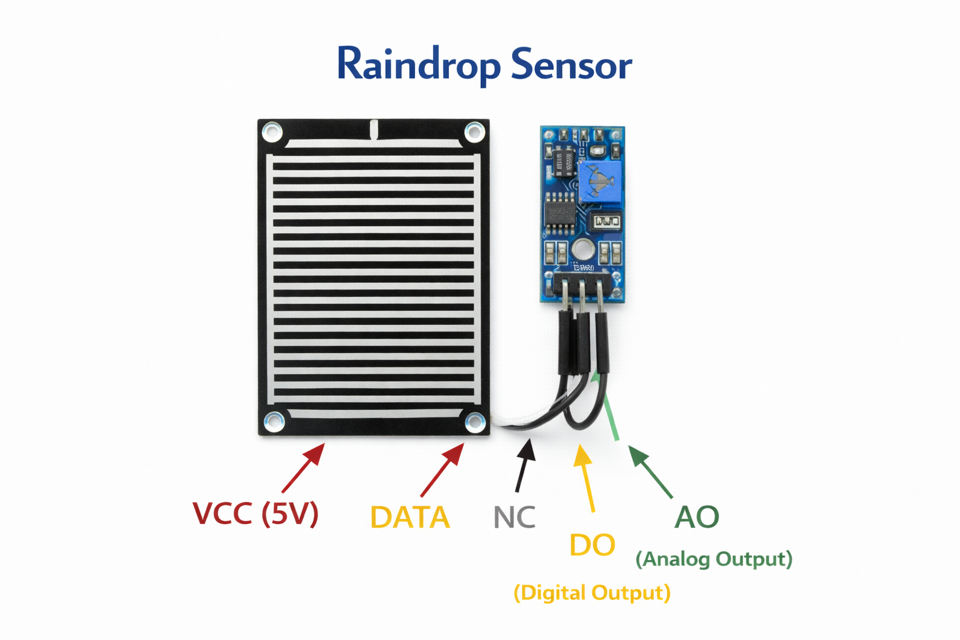
Raindrop Sensor
Part
Raindrop Sensor
Weather-triggered automation signals.
Step 5 · Innovation
Components become real projects.
Project
Smart Gate
Distance sensing + servo control
Project
Climate Monitor
Temperature and humidity dashboard
Project
Safety Alarm
Flame detection + buzzer response
Step 6 · The Next Step
Something bigger is taking shape.
Learning outcomes
Skills students gain in this module.
The program is designed around clear outcomes so schools can measure conceptual and practical engineering growth.
Understand essential components and behavior of basic electronic systems.
Build and test functional circuits independently with guided logic.
Integrate simple programming with connected hardware models.
Analyze sensor-based engineering models and their practical behavior.
Apply step-by-step engineering problem-solving methods.
Student deliverables
What schools and students receive after completion.
Completion Pack
4 Deliverables
Elevate Kit, handbook, completion certificate, and school-facing engineering summary report.
Student Deliverable 1
Take-Home Elevate Kit
Take-Home Elevate Kit for each participating student.
Student Deliverable 2
Printed Manual
Printed structured manual for guided practice and revision.
Student Deliverable 3
Completion Certificate
Completion certificate issued at the end of the module.
Student Deliverable 4
School Report
Engineering Skill Summary Report shared with the school.